Execution Leak and Turning Plans Into Action
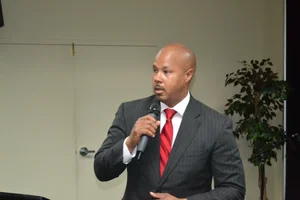
By Dr. Brian L. Bolden
You have talked about it. You have written it down. You may even have told someone that this is finally the year you will do it.
But what has actually been completed?
That question may be uncomfortable. It is also useful. An idea can matter deeply to you and still remain an idea because you never take the steps required to bring it into the world.
In my Six Hidden Leaks framework, I call that an Execution Leak. You have a direction, but your actions are not consistently producing the work you intended to complete. Addressing it begins with identifying one concrete result and following through on the steps it requires.
What Is an Execution Leak
An Execution Leak is the gap between what you intend to do and what you actually complete. It shows up when planning, preparation, or repeated starting never becomes meaningful follow through.
You have an outline for the workshop, but no date is confirmed. You have researched the application, but have not submitted it. You have drafted the message several times, but the person who needs to receive it is still waiting.
Preparation has a purpose. Some work requires careful review, training, or approval before it can move forward. The question is whether your preparation is helping you reach the next necessary step or repeatedly replacing that step.
The Identity Leak asks what you believe about yourself. Vision asks where you are going. Time asks when the work will happen. Focus asks where your attention goes. Execution asks what you have completed as a result.
Why I Look for Completed Work
My mission at BLB Leadership Institute is to help people move toward the purpose God created them to live. Encouragement matters, but I also want people to leave with something they are prepared to do.
You can be inspired by a message and still return to the same unfinished commitment. You can understand a principle without applying it to the decision in front of you.
That is why I want to know what changed after the conversation. What did you write? What did you submit? What responsibility did you accept and complete?
The result may be small. A first draft, a scheduled meeting, or one completed assignment can matter. It gives you something real to examine and a place from which to take the next step.
Signs an Execution Leak May Be Holding You Back
You keep improving a plan you have never tested. Another revision may make the plan clearer. But if you already have enough information to take a responsible first step, ask what another round of planning will actually resolve.
You begin with enthusiasm and stop without a return date. Life interrupts the work, and the task quietly disappears from your schedule. When you pause, identify what remains and when you will return to it.
You wait until you feel ready. Some hesitation points to a real skill or resource you need. Some hesitation continues even after you have what the next step requires. Name what readiness means rather than letting it remain an undefined condition.
You have deadlines but no clear definition of finished. Work on the website can continue indefinitely. Send the revised homepage copy for review by Friday gives the task a result, a recipient, and a deadline.
You overlook the step that moves the work into someone else's hands. You write the proposal but never send it. You finish the lesson but never teach it. Review whether the task requires delivery, submission, or feedback before it can count as complete.
How to Turn Plans Into Action
Choose one commitment that needs to move forward. Describe the finished result in plain language. Make it specific enough that another person could recognize whether you have completed it.
Identify the next physical action. Research my business is broad. Write five questions for potential customers is an action you can begin. If the task still feels unclear, break it down until you know what to do first.
Check what the action requires. Do you need information, materials, permission, or help? Resolve the necessary dependency instead of promising a deadline you cannot reasonably meet. Asking for the missing information may itself be your next action.
Choose a realistic completion date and schedule the work. Give the task enough time, including review and delivery when those are required. Do not build the plan around doing everything at the last minute.
Complete the step to an appropriate standard. A draft should be useful enough for review. A final submission should meet its requirements. Moving forward does not mean sending careless work or skipping necessary checks.
Record what is done and what comes next. If you missed the commitment, examine why. Adjust the scope, request help, or change the plan. Then choose a new action you can responsibly complete.
What Follow Through Looks Like in Practice
Imagine someone who wants to deliver a workshop. They have collected ideas and drafted several outlines, but the workshop has never reached an audience.
They choose one result for the week. By Friday, I will send a one page workshop proposal to a potential host. The proposal will name the audience, the problem being addressed, the session length, and the intended participant takeaway.
Now the work has a finish line. They can draft the proposal, review it for clarity, confirm the recipient, and send it. Once it has been delivered, they can record the submission and decide when to follow up.
Sending the proposal does not guarantee an invitation. It does complete a meaningful step and create an opportunity for feedback. That is progress you can build on.
A Five Minute Execution Reflection
Take five minutes today and answer these questions in writing.
What commitment have I planned but not completed?
What would finished look like for the next stage of that work?
What specific action is required next?
What information, approval, skill, or support do I need to take that action?
What can I responsibly complete within the next twenty four hours?
Put that action on your calendar. When it is complete, record the result. If another person needs to receive the work, include delivery as part of the task.
Faith and Following Through on Your Responsibility
I believe God created you with purpose. I also believe there comes a point when you must respond to what you understand by doing the work in front of you.
Prayer and wise counsel have a place. So does preparing carefully. But examine whether you are repeatedly returning to preparation when the next responsible action is already clear.
You do not have to know how every part of the future will unfold. You can complete the assignment that is yours today, learn from the result, and make the next decision with greater understanding.
Honor your responsibilities and the people affected by your choices. Execution should reflect care and integrity, not simply speed. Follow through in a way you can stand behind.
Frequently Asked Questions About Execution Leaks
What is the difference between an Execution Leak and a Focus Leak?
A Focus Leak concerns attention moving away from a chosen priority. An Execution Leak concerns whether the intended work gets completed. You can remain focused on planning for an entire session and still avoid the action needed to move the project forward.
How do I know whether I need more preparation?
Identify the requirement that remains unmet. If you need a skill, approval, or essential information, address it. If you cannot name what another round of preparation will resolve, consider whether a small, responsible action would be more useful.
What if my next step depends on someone else?
Separate what you control from what you do not. Make the request, provide the needed information, and agree on a follow up when possible. Do not count someone else's response as an action you can guarantee.
How can I improve follow through after missing a deadline?
Review what prevented completion and communicate with anyone affected. Then revise the scope or schedule, identify the next action, and make a realistic commitment. Use the missed deadline as information for a better plan.
Take Your Next Step
Before you close this page, name one piece of work you will complete. Give it a clear standard and a realistic deadline. Then identify the action that begins it.
You do not need another promise that leaves you exactly where you are. Give yourself a completed step you can point to.
At BLB Leadership Institute, I help people examine where progress is being lost and take practical steps toward the purpose God created them to live. Addressing an Execution Leak helps turn that direction into work that actually gets done.
Visit the contact page to ask about coaching with Dr. Brian Bolden. Tell me what you want to accomplish, what you have already prepared, and where your follow through keeps breaking down.
Greater is possible. Complete your next step.